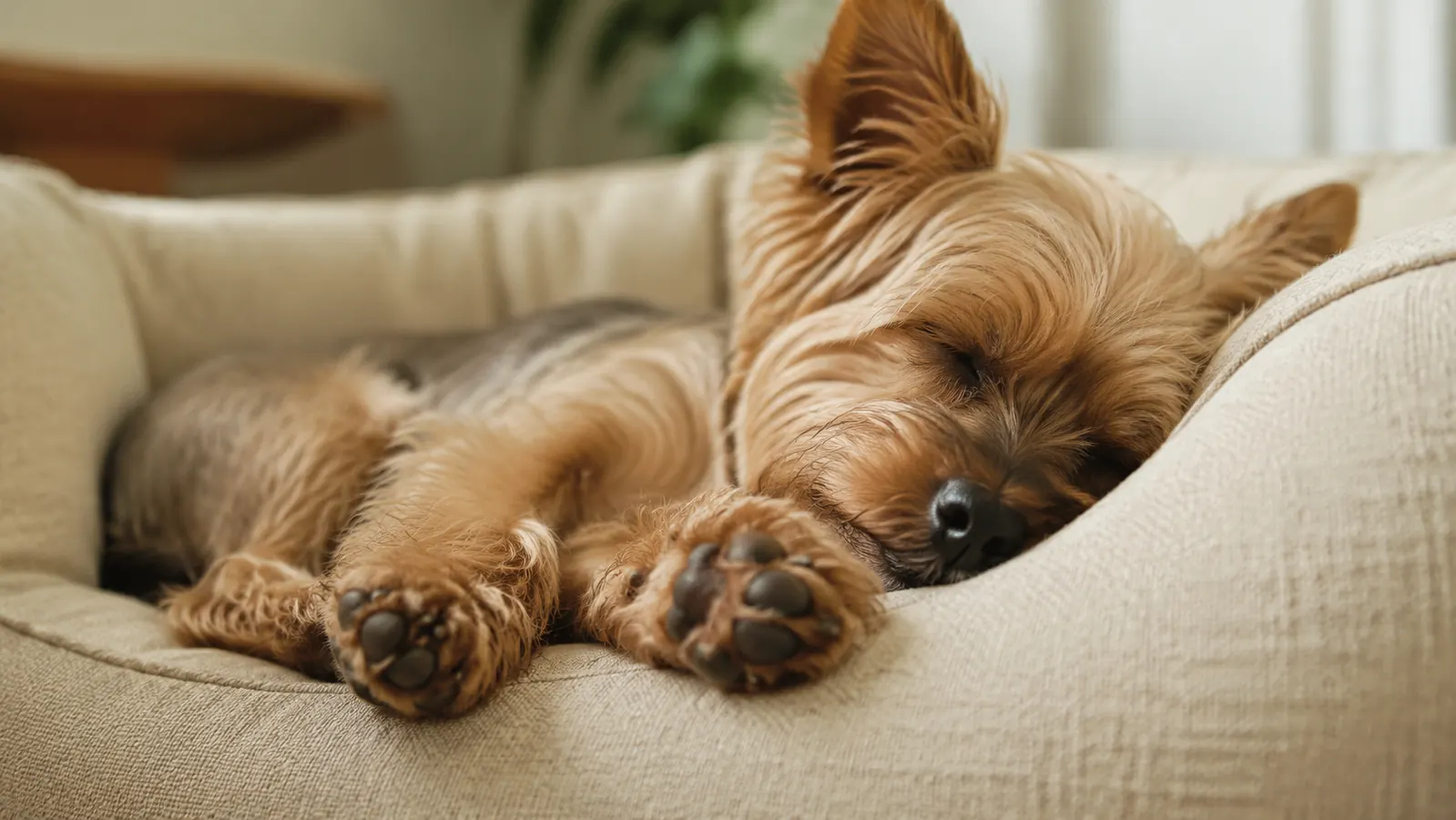
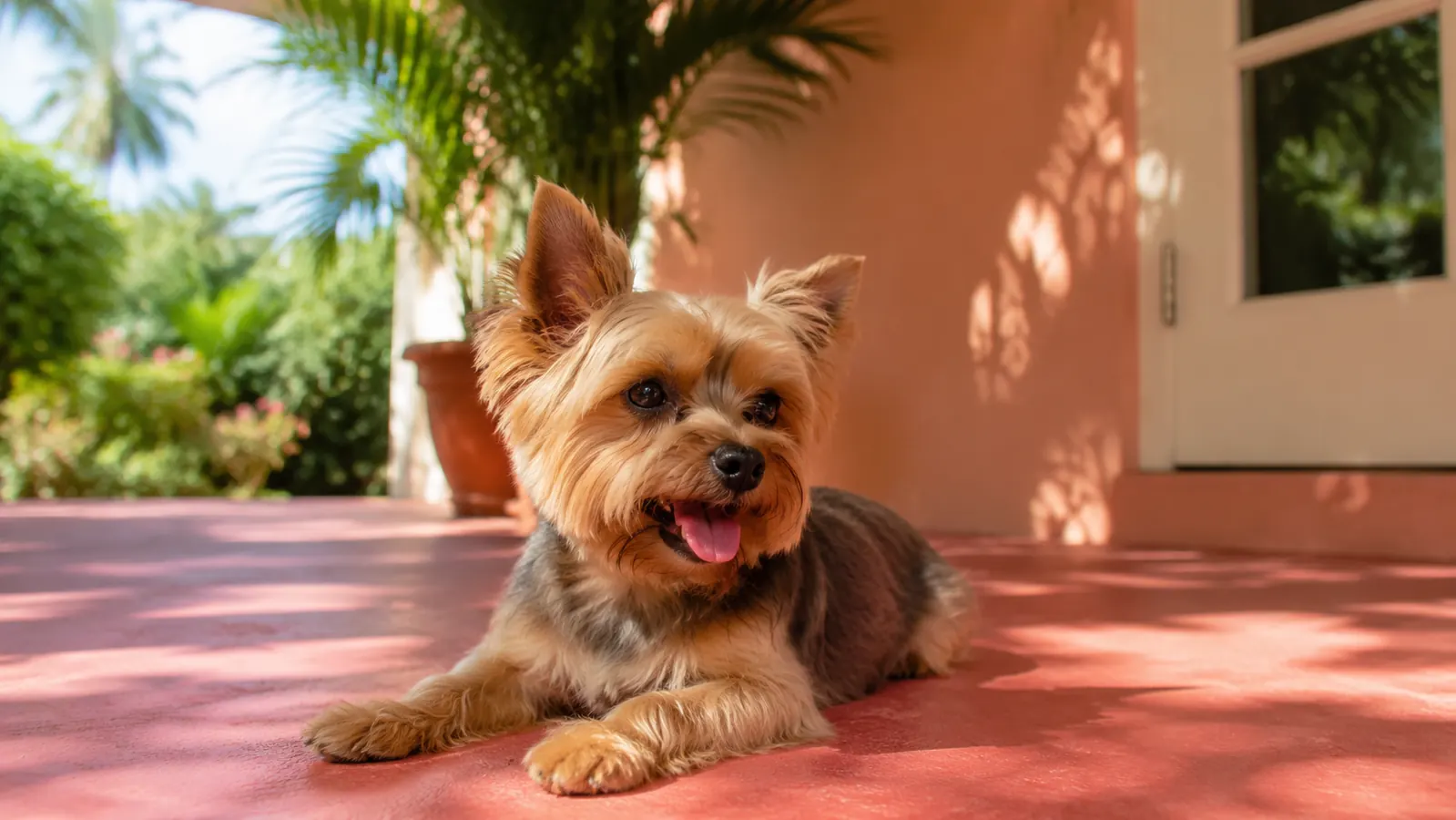
I noticed it in late June. Penny, my eight-pound rescue Yorkie, had started sitting down on the sidewalk about halfway through our morning walk. Not tugging toward home the way dogs do when they're tired. Just stopping. Planting herself like she'd hit a wall. I thought it was the heat getting to her, which made sense because it was already 87 degrees at seven-thirty in the morning, because that is South Florida in summer. But then I noticed the licking. Every evening, stretched out on her bed, she would work at her front paws with a focus that made me genuinely worried. By August, two of her pads were raw and pink at the edges. The answer turned out to be a tin of Natural Dog Company Paw Soother balm, but getting there took weeks.
My first instinct was allergies. Penny came from a puppy mill in Georgia, and she brought a whole list of sensitivities with her when I adopted her four years ago. I changed her food. I washed her paws every time we came in from outside. I switched her laundry detergent. I brought her to my vet, Dr. Moreno, who checked her ears, ran a skin scrape, and came back shaking her head. No mites. No yeast. No secondary infection, which was lucky given how raw the pads were getting. Her exact words were, and I wrote these down: 'This looks like contact irritation, Harriet. It's not what she's eating. It's what she's walking on.'
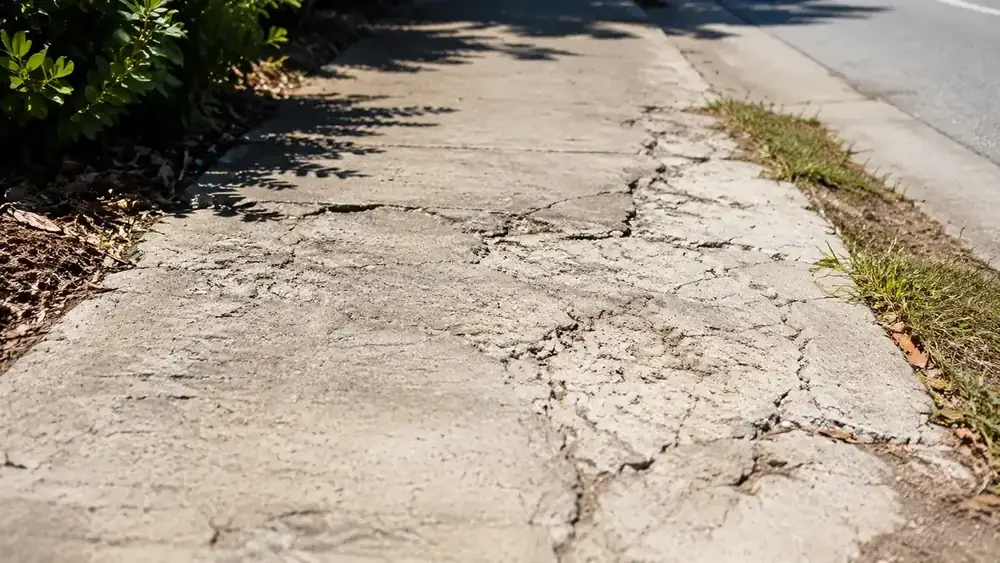
I had never once thought about the pavement temperature. I knew it was hot. I knew to walk her early. But the sidewalk in my neighborhood faces west, and by seven a.m. it has already absorbed a full night of residual heat. I tested it myself with a meat thermometer after Dr. Moreno said something. The asphalt registered 118 degrees at nine in the morning. Penny weighs eight pounds. She is close to the ground. She was walking on a surface that would blister human skin, every single day, and her pads were telling me about it the only way she knew how.
The asphalt registered 118 degrees at nine in the morning. Penny weighs eight pounds. She was walking on a surface that would blister human skin, and her pads were telling me the only way she knew how.
I tried coconut oil first. It felt right because it's natural and I had a jar under the kitchen sink. It lasted about four minutes before she licked every bit of it off and left a small grease spot on the tile. I tried petroleum jelly next, which held slightly longer but still disappeared before it could do much. I ordered two different store-brand paw waxes that came in little tins and smelled like car wax. The first one Penny rejected immediately by refusing to put her paw back on the floor after I applied it. The second one left a waxy residue on my hardwood floors that took three days to get off. None of it was touching the dryness. None of it was stopping the licking.
If your dog is licking her paws after summer walks, the pavement is probably the reason.
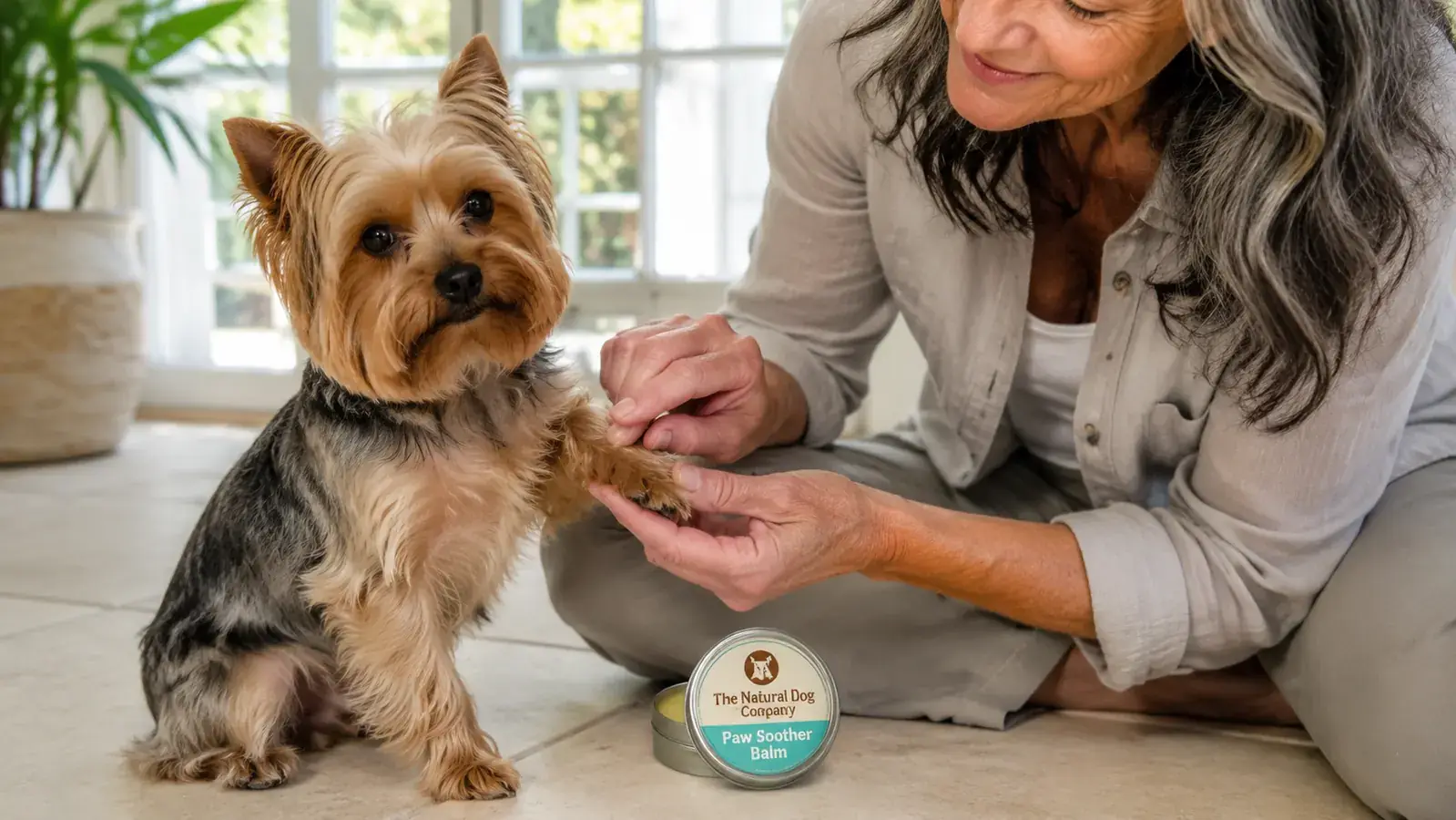
Natural Dog Company Paw Soother is a 100% organic, lick-safe balm made with shea butter and vitamin E specifically for dry, cracked, heat-damaged pads. Over 56,000 reviews on Amazon. This is the one I use on Penny every evening now.
Amazon Check Today's Price on Amazon →A friend in my dog-mom group mentioned Natural Dog Company Paw Soother in a thread about summer walking tips. She has two beagles and lives in Tampa, so similar climate, similar problem. She said she had been using it for two summers and her dogs' pads had gone from cracked and peeling to smooth and soft. I ordered it that same night. It comes in a small tin, and the formula is rich and balm-like, somewhere between a thick lotion and a soft wax, but it absorbs without leaving a film. The ingredient list is genuinely short: shea butter, vitamin E, candelilla wax, rosehip seed oil, and a handful of other plant-based oils. Nothing that worried me as a lick-safe concern.
The routine I landed on was simple. Every evening after her last walk, I wipe Penny's paws with a damp cloth, let them dry for two minutes, and then work a small amount of Paw Soother into each pad with my thumb. She tolerates it now. The first week she tried to lick it off, but the formula absorbs quickly enough that by the time she finished checking the first paw, the other three were already dry. Within ten days, the raw pink edges were gone. Within three weeks, the pads themselves had changed texture. They had been rough and flaky to the touch, the way heels get in dry weather. They smoothed out. They felt like they were supposed to feel.
I adjusted the walks at the same time, to be fair. I moved our morning outing to six-fifteen instead of seven-thirty, and I started staying on the shaded side of the street. I cannot say the balm alone did it, because I made two changes at once and I am not going to pretend otherwise. But we have had a cool-spell week since then where the temperatures dropped and I got lazy about the timing for a few days, and the licking did not return. The balm, applied consistently, seems to be maintaining the barrier that was missing before. The pads have not relapsed. That feels like the answer.
What I Would Tell You If We Were Sitting at My Kitchen Table
If your dog is licking her paws after outdoor walks this summer, do not immediately assume it is food allergies or grass sensitivities. Those are real, but check the obvious thing first. Put your hand flat on the sidewalk in front of your house at the time you usually walk. Hold it there for five seconds. If you pull your hand back, the pavement is too hot for your dog's pads. That is the whole test. It costs nothing and takes five seconds and it would have saved me two months of changing Penny's food for no reason.
The balm is worth keeping in the cabinet year-round. South Florida does not get proper winters, but the humidity and the rough concrete still wear on pads even when it is not peak summer. I apply it three or four evenings a week now instead of every night, just as maintenance. Penny does not mind it anymore. She actually stays still for it, which is remarkable given that this is a dog who once bolted under the bed because a ceiling fan turned on unexpectedly. A little tin of paw balm is not dramatic. But dry, cracked, lick-damaged pads are genuinely uncomfortable, and fixing them this simply felt like a kindness I should have figured out sooner.
Penny's pads are smooth now. It took about three weeks and costs less than a copay.
Natural Dog Company Paw Soother has a 4.4-star rating from more than 56,000 pet owners. The tin lasts months with daily use on a small breed. If your dog's paws are rough, cracked, or she is licking them after walks, this is the place I would start.
Amazon Check Today's Price on Amazon →