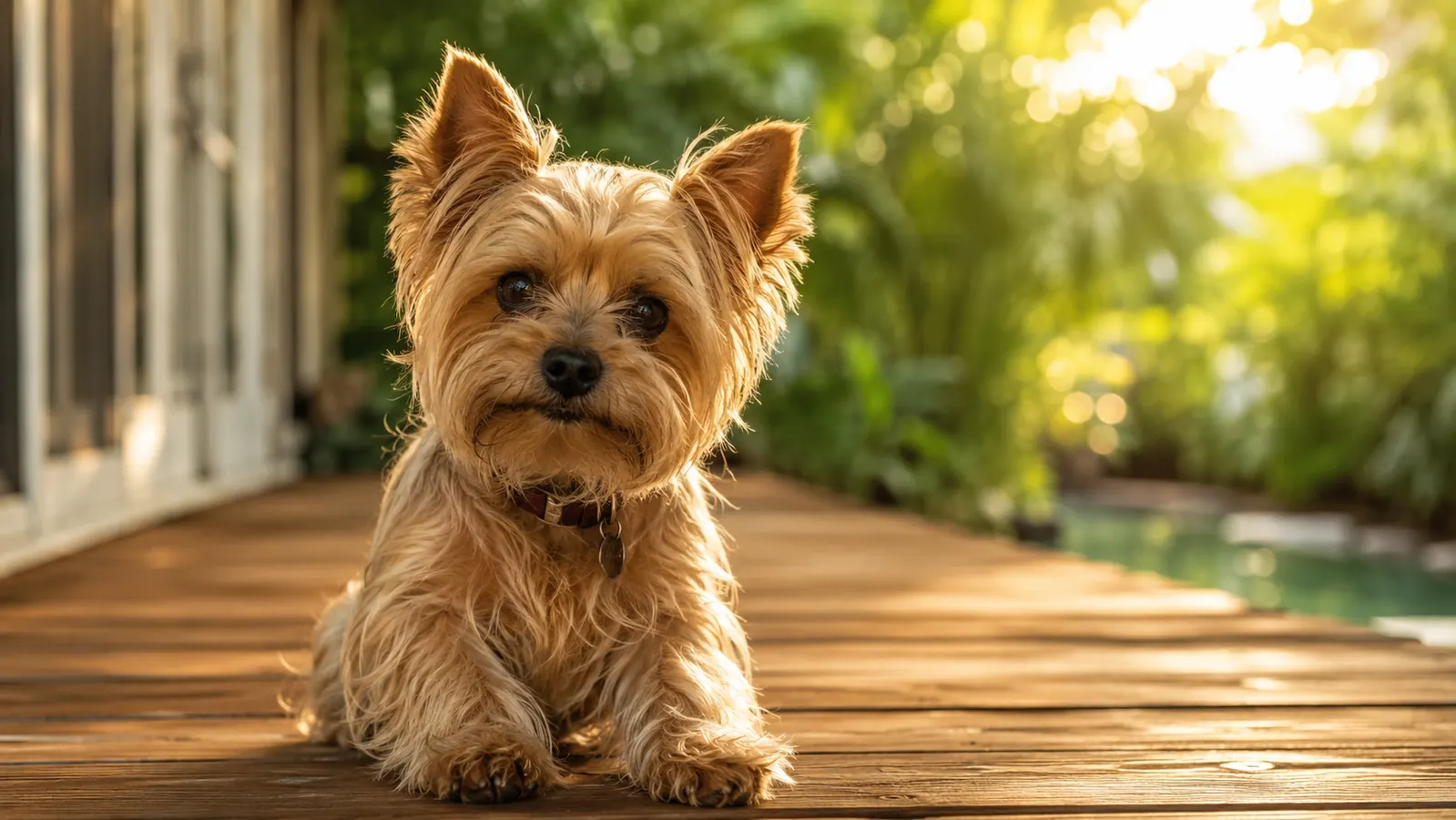
I have been watching dog paws for a long time. Forty years of living with dogs in South Florida, where summer pavement gets hot enough to blister, means I learned early that paw pad health is not optional. My current rescue Yorkie, Penny, came to me from a puppy mill with pads that were rough as sandpaper and cracked along every fold. The first week I had her, she licked her paws constantly at night. I thought it was an anxiety habit. It was not. Her paws were dry and painful, and licking was the only thing she knew to do about it.
Dry, cracked paws are one of those things that sneak up on you. Your dog is not going to hobble in from a walk and announce that something is wrong. She is going to lick quietly in the corner while you assume she is just grooming. Knowing what to look for changes everything. These 10 signs are the ones I have learned to catch early, and catching them early means a balm and a few days of consistency, rather than a vet visit and weeks of healing.
If your dog is already showing any of these signs, her paws need help today, not next week.
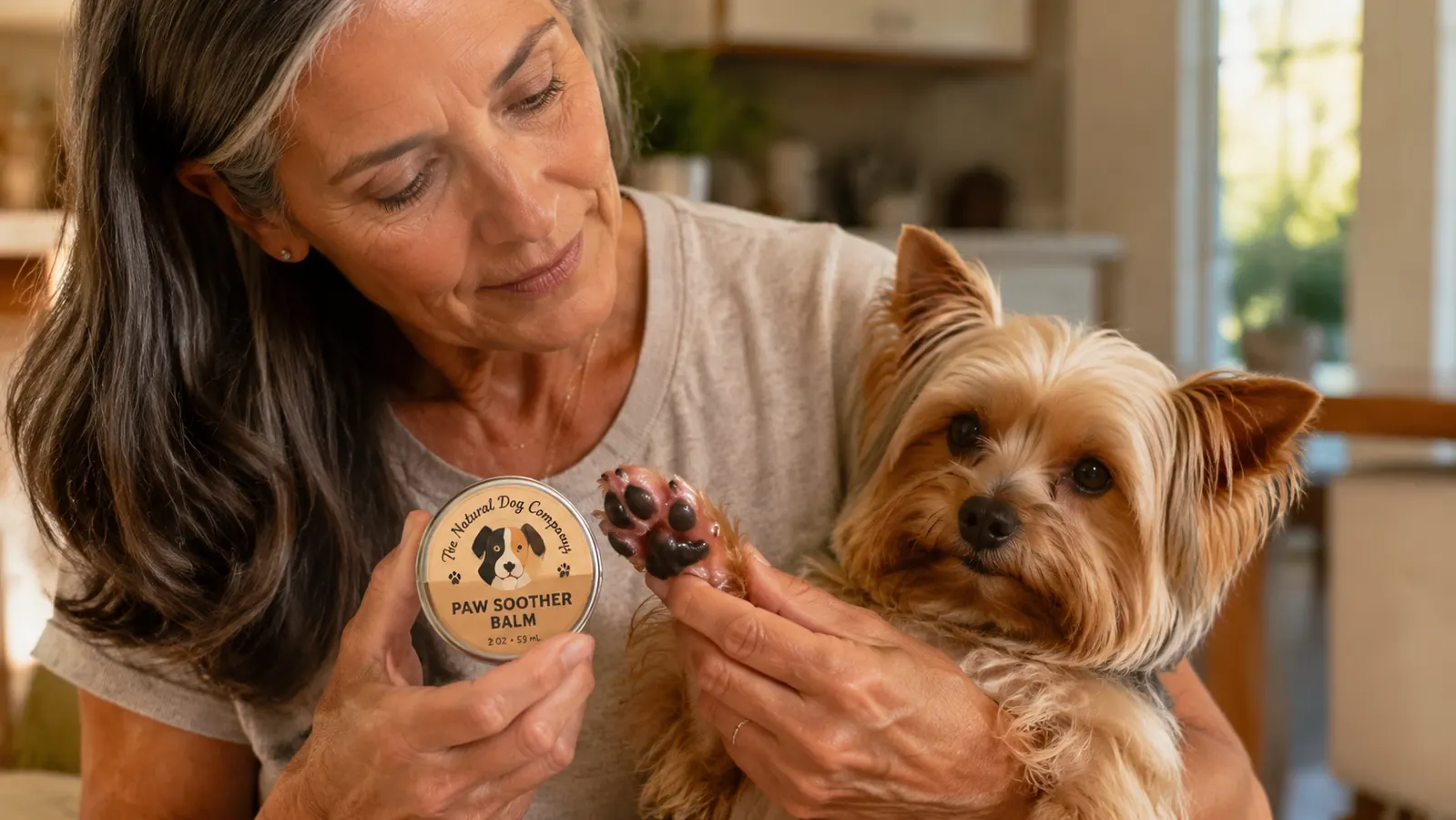
Natural Dog Company Paw Soother is a 100% natural, lick-safe balm made with shea butter and vitamin E. Over 56,000 Amazon reviews. It is what I use on Penny's paws every single evening before bed.
Amazon Check Today's Price on Amazon →She Limps or Hesitates After Walks
A dog with healthy paw pads can walk on pavement, grass, and tile without a second thought. When Penny started doing a little hitch-step after our morning walk, barely noticeable at first, I knew something was off. Limping or a reluctance to put full weight on a paw after normal activity is often the first visible sign that pads are cracked and sore. The pavement hurts on open fissures the same way a cracked heel hurts on a cold tile floor. If you see this after a walk on a warm day, check the pads before you assume it is a joint issue.
Amazon See the balm that helps Penny recover after walks →Constant Paw Licking, Especially at Night
Dogs lick their paws for a lot of reasons. Allergies, boredom, anxiety. But when the licking is focused specifically on the pad surface and happens most intensely at night when your dog is resting, that is a paw comfort issue more often than a behavioral one. Cracked, dry skin itches and stings, and licking brings momentary relief. The problem is that licking also delays healing and can introduce bacteria into open cracks. Catching this habit early and addressing the root cause, dry skin, stops the cycle before it turns into a bigger wound.
Amazon A lick-safe balm that stops the itch so she can rest →Dark or Discolored Cracks in the Pad Surface
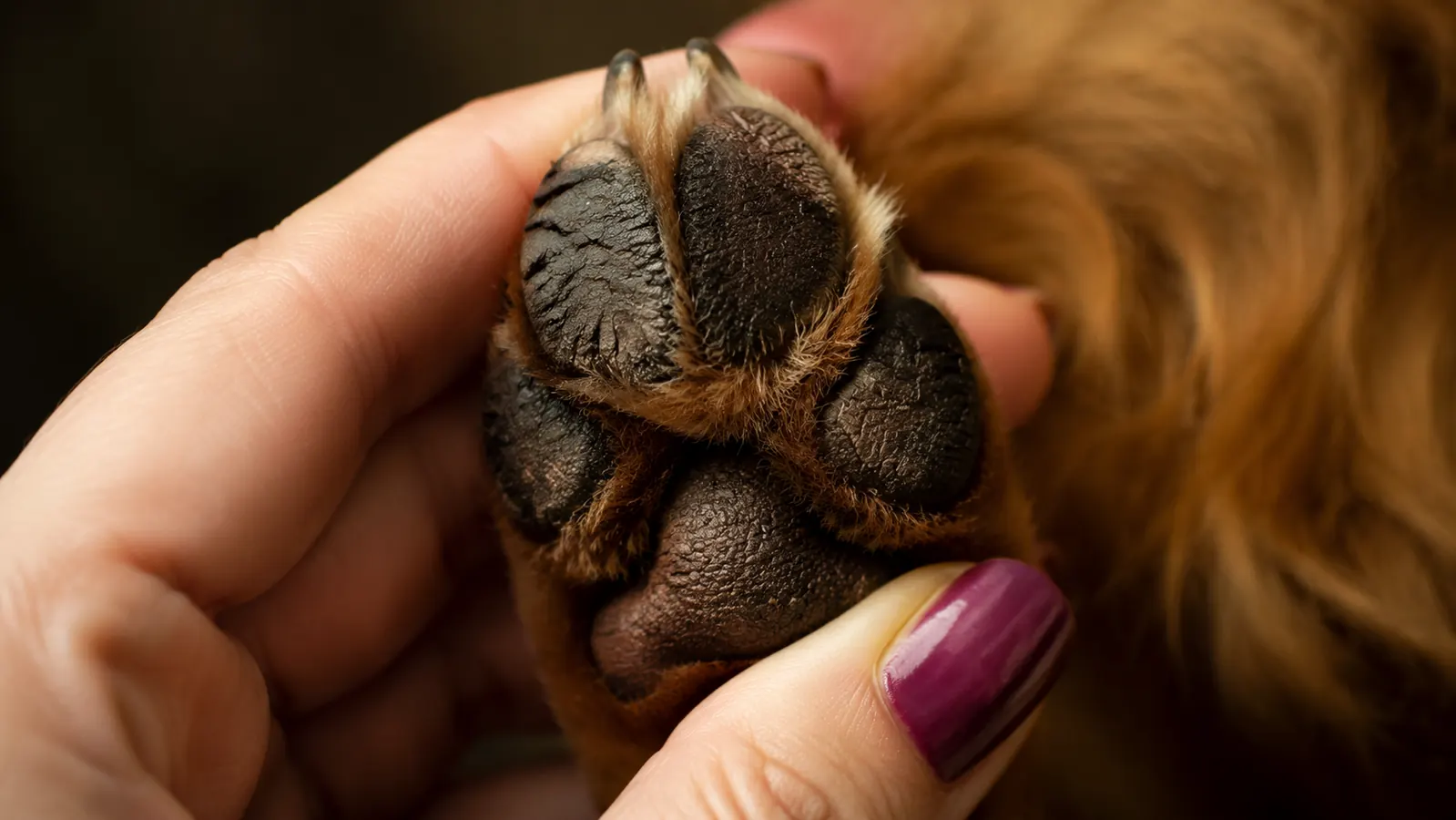
Healthy paw pads are firm but smooth, and the surface color is consistent. When you start seeing dark lines, especially in the folds where the pad meets the toe, those are fissures that have collected dirt and debris. The discoloration is not always a bruise. Usually it is a crack that has been open long enough to stain. Lift each paw and look at the central pad and the smaller pads at the base of each toe. If the surface looks like dry, cracked earth rather than smooth leather, you are past the early stage.
Amazon Help fill and seal those cracks before they deepen →Rough, Sandpaper-Like Pad Texture
Run your thumb across your dog's central pad. It should feel firm and slightly textured for grip, but not rough enough to snag on fabric. When pads are severely dry, they feel like the rough side of a kitchen sponge. This texture means the outer layer of pad tissue is drying and flaking rather than renewing itself properly. South Florida humidity does not protect against this the way you would expect. Air conditioning pulls moisture from everything, including your dog's pads, every single day she spends inside.
Amazon Restore softness with a shea butter and vitamin E formula →Peeling or Flaking Skin Around the Pad Edges
The edges where the pad meets the regular skin of the paw are often the first place flaking appears. It looks a little like dry cuticles on a human finger. Small, translucent flakes that come off when you run a finger along the edge. This is not dramatic and easy to miss unless you are actually looking. But it is one of the earlier signs that the skin is dry enough to start shedding, and it tends to progress toward deeper cracking if nothing is done.
Amazon Stop flaking before it becomes cracking →Paw pads are the only thing between your dog and every surface she walks on. When they crack, everything hurts. When they are moisturized and healthy, she moves freely without thinking about it.
Pads Feel Hot to the Touch After Being Inside
This one surprised me the first time I noticed it. Penny would come in from a walk and her pads would still feel warm long after she had cooled down. Inflamed skin retains heat, and pads that are cracked or irritated have a low-level inflammation running through them. Touch the pad on the center of each foot. If it feels noticeably warmer than the skin on her leg, that pad is irritated. A good balm helps reduce that surface inflammation while the skin heals, rather than just masking the symptom.
Amazon Soothe inflamed pads with a calming, natural formula →She Pulls Her Paw Away When You Touch It
Healthy paws do not mind being touched. If your dog tolerates a nail trim or a wipe-down without objecting, but she pulls her paw back when you press the pad directly, that is pain sensitivity. Cracked tissue is tender, and even gentle pressure on a fissure can be sharp. Some dogs will also bite or snap at you during a paw examination for the first time when they have been managing pad pain quietly. Do not take the snap personally. Take it as information.
Amazon Make paw time something she does not dread →She Avoids Hard Floors She Used to Walk on Fine
Penny used to walk straight across our tile kitchen without hesitation. When her paws were at their worst, she started routing around it. She would go the long way, through the living room rug, to get to her water bowl. Dogs are quietly adaptive. They will change their path before they will complain. If your dog has started avoiding surfaces she used to cross without a thought, it is worth checking whether her pads are the reason.
Amazon Get her back to moving freely on every surface →You Can See or Feel Small Cuts Along the Pad Folds
The folds between the large central pad and the smaller digit pads are where deep cracks tend to open first. Run your fingertip along each fold and feel for anything that catches or feels rough and irregular. Sometimes you will see a thin red line, sometimes just a separation in the skin. These small cuts are where bacteria get in. They are also where pain is sharpest, because that skin flexes with every step. A balm with shea butter and vitamin E helps those folds stay supple enough that the skin does not split under normal movement.
Amazon Protect those folds before they open deeper →The Pads Look Gray or Ashy Rather Than Their Normal Color
When pads are well-moisturized, they have a consistent color, whether your dog's are black, brown, or pink. When they are severely dry, the surface takes on a gray or ashy cast, the same way dry skin on a human arm looks lighter than normal. This is a late sign. If you are seeing this, the pads have been dry for a while and the outer tissue is at real risk of cracking through to sensitive layers underneath. This is the stage where people end up at the vet getting antibiotics for an infected pad fissure. Starting a daily balm routine now still turns it around, but it takes consistent effort for two to three weeks before you see the color come back.
Amazon Start daily balm application tonight and check in two weeks →What I Would Skip
Petroleum jelly gets recommended a lot for dry paws because it is cheap and available. I used it on Penny once. She licked it off in about four minutes and spent the rest of the evening with an upset stomach. Petroleum jelly is not toxic in small amounts, but it is also not safe if your dog eats it consistently, which she will, because it tastes like something edible. Coconut oil has a similar problem. It softens the pad nicely but goes rancid quickly in humid climates, and again, your dog is going to lick it off before it has time to absorb. A formula that is designed to be lick-safe and absorbs quickly into the pad surface is the only kind that actually works in practice. That means a wax and shea butter blend, not a greasy oil that sits on top and goes straight into your dog's mouth.
I also want to be direct about one thing: if your dog's pads have open wounds, bleeding cracks, or signs of infection such as swelling, smell, or discharge, those need veterinary attention. A paw balm is maintenance and prevention, and it handles early-stage dryness and cracking extremely well. It is not a substitute for a vet visit when the tissue has broken down significantly. The 10 signs above are all pre-infection signals. If you catch them there, a good balm is genuinely all you need.
I apply Natural Dog Company Paw Soother to Penny's paws every night before bed. Takes thirty seconds. She has not had a cracked pad in two years.
Start the nightly paw routine before the cracks get deep enough to hurt.
Natural Dog Company Paw Soother has 56,000+ reviews on Amazon and uses shea butter, vitamin E, and other plant-based ingredients in a formula that absorbs fast enough that most dogs stop trying to lick it off. It is what I recommend to every dog mom who asks me about paw care, and it is what I use on Penny every single night. Check today's price below and read the full five-month review if you want to know exactly how it performs over time.
Amazon Check Today's Price on Amazon →